What’s Fueling the Demand
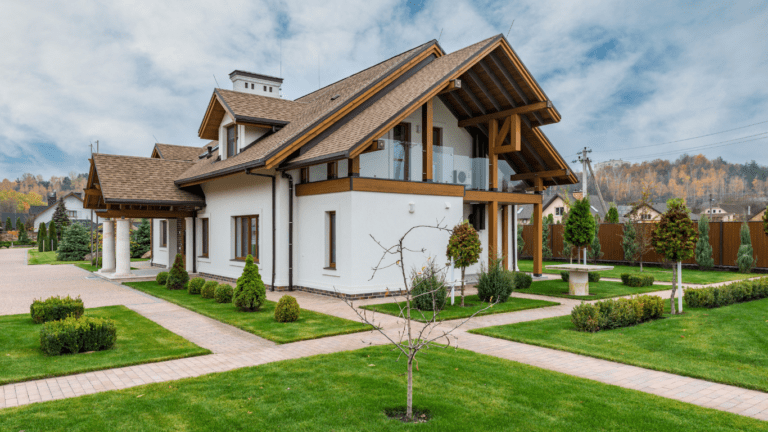
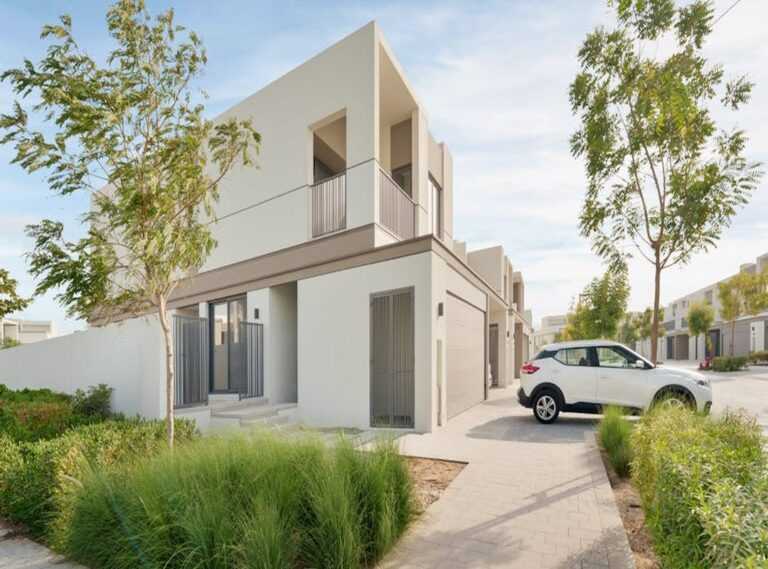
The last few years rewired everything from how we travel to how we live. For ultra high net worth individuals, the pandemic didn’t just pause movement; it reframed priorities. Now, we’re seeing serious money flow into diversified, tangible assets like second homes. But not just any homes. These are secluded, high spec villas in destinations where luxury meets peace of mind.
Remote work didn’t fade it went feral. Digital entrepreneurs, creative nomads, and hyper mobile execs now view a second (or third) villa not as a luxury, but as a utility: a space that works across time zones, adapts to lifestyle, and doubles as an investment. That demand is driving growth in global villa markets that offer more than just poolside views.
Buyers are also pickier. Wellness first design, eco smart architecture, and high touch service models are non negotiable. Sprawling spaces, air purification, solar grids, concierge everything it’s all on the checklist. The villa of 2026 isn’t just a getaway. It’s a hedge. A hideaway. And a highly strategic asset.
Portugal’s Southern Coast
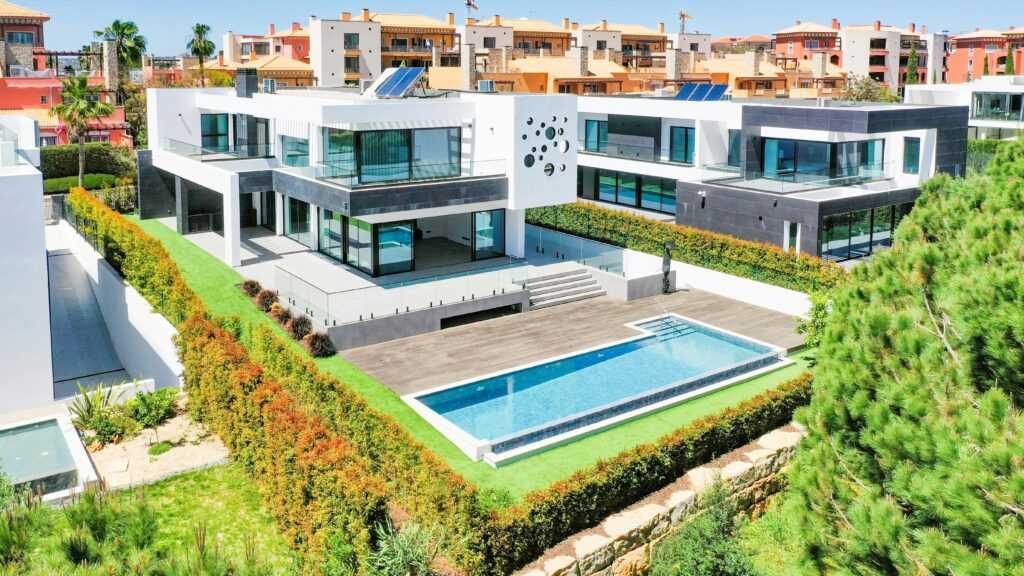
The Algarve isn’t exactly a secret, but it’s entering a new era for ultra luxury buyers. Portugal’s southern coastline has become a magnet for high net worth individuals chasing more than sunshine think strategic tax perks, golden visa pathways, and a seriously dialed in lifestyle. Coastal towns like Lagos and Tavira now blend old world charm with new world amenities, and luxury brands are taking notice.
The appeal? Clean beaches, low crime, English speaking services, and direct flights to major European cities. But what really moves the needle is policy. Portugal’s golden visa reforms still offer routes to EU residency through targeted real estate investment. Combine that with favorable tax treatment for foreign residents, and you’re looking at a destination that checks both lifestyle and financial boxes.
Upside is still there, but it’s moving fast. Developments are getting snapped up early in pre sale phases, and off market listings are largely relationship based. For investors, the Algarve delivers long term value with a strong rental market during peak seasons and consistent interest from lifestyle expatriates and remote first professionals.
What These Markets Have in Common

What ties these rising villa markets together isn’t just the ocean views or designer interiors. It’s the foundation beneath it all things like stable governance, strong infrastructure, and predictable policy. Whether it’s Portugal’s streamlined visa programs or the UAE’s property ownership rules, these places give investors breathing room to focus on growth, not risk management.
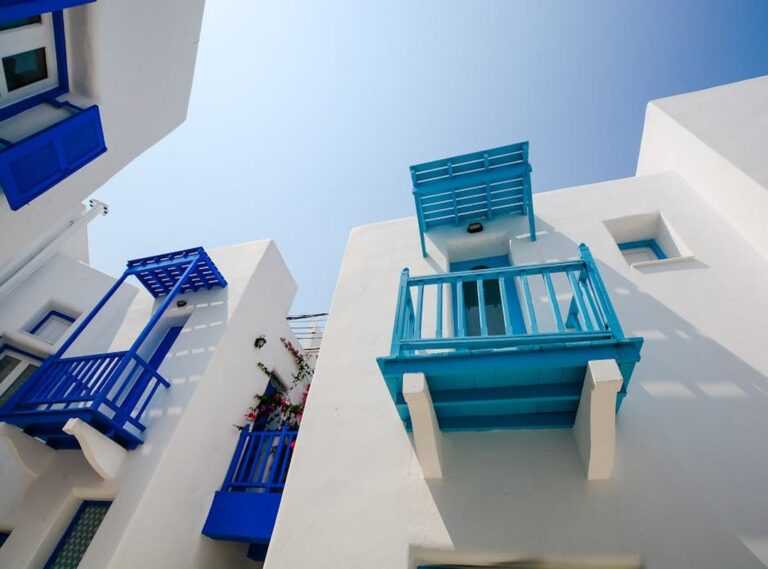
High season rental yields don’t hurt, either. In places like Bali or Paros, luxury villas command serious nightly rates during travel peaks, often matching or beating property costs much faster than traditional investments. For those willing to optimize short term rental strategies or partner with local management firms the returns are real.
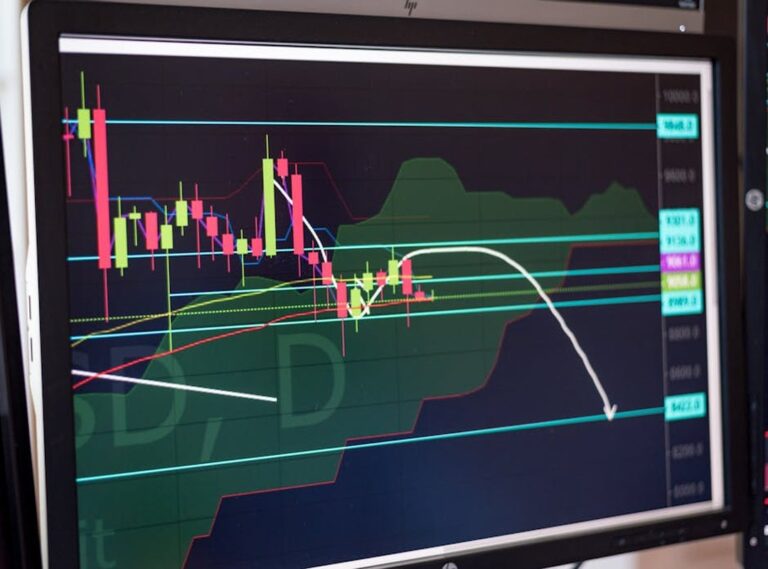
Then there’s the crypto crowd. More global buyers are liquidating crypto gains into real estate with actual utility and long term upside. Markets like Dubai and Costa Rica are leaning into this trend, offering crypto payment options, blockchain backed transactions, and even NFT linked property titles. If you’re watching where next gen wealth flows, pay attention to where the crypto native are staking their sunny claims.
Watching the Investment Landscape Ahead
The events of 2024 weren’t just noise they shifted the ground under the high end villa market. Rising capital from global investors collided with a new wave of lifestyle migration. Wealthy buyers pushed for properties that could double as both retreats and assets. That demand didn’t fade; it matured. Investors started looking further than just beauty they wanted legal clarity, tax efficiency, and environmental durability.
Visa programs played a big role. When Portugal tightened its golden visa, attention swung to places like Greece and Costa Rica, where entry is still attractive to foreign investors. Countries that stayed flexible with residency rights saw steady inflows of capital and long term buyers.
Real estate taxes also began to matter more than location alone. Buyers are thinking about yield, not just architecture. Markets with transparent, favorable tax codes gained an edge fast. And with climate in the spotlight again wildfires, floods, rising insurance premiums resilience is a growing filter. Villas with sustainable design, water management systems, and off grid capabilities are becoming standard for the top end of the market.
If you’re tracking investment potential, keep an eye on policy. These are not just homes they’re passports, financial tools, and climate shelters. The smart money knows that markets that adapt will keep winning.
For more insight, see how 2024 momentum shaped the high end villa scene.
Smart Moves for Serious Investors
If you’re eyeing luxury villas abroad, don’t go in blind. Partnering with legal and design experts who actually live and work in the market pays off. They know the regulatory landmines, zoning quirks, and what local buyers and renters are looking for things you won’t pick up from a Zoom call. In country guidance isn’t just helpful it’s non negotiable if you’re playing long.
Timing still matters. Getting in early in an ascending market, before headlines make it obvious, is where most of the upside lives. That means paying attention to beta trends now not when the developers and big funds swoop in.
And when it comes to the property itself, flexibility is key. Floorplans should adapt to remote work, guest stays, or short term rentals. Think home office nooks, blended indoor outdoor spaces, and high speed connectivity baked into the architecture. The villas that future proof themselves aren’t just livable they’re bankable.