Steel, Glass, and Sharp Lines Redefined
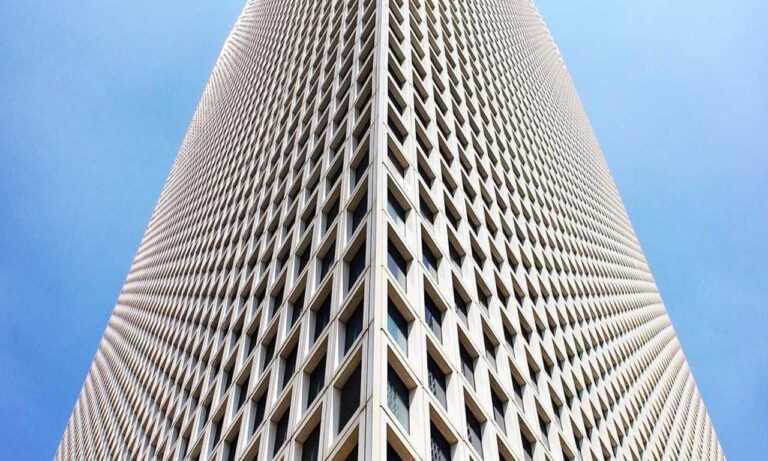
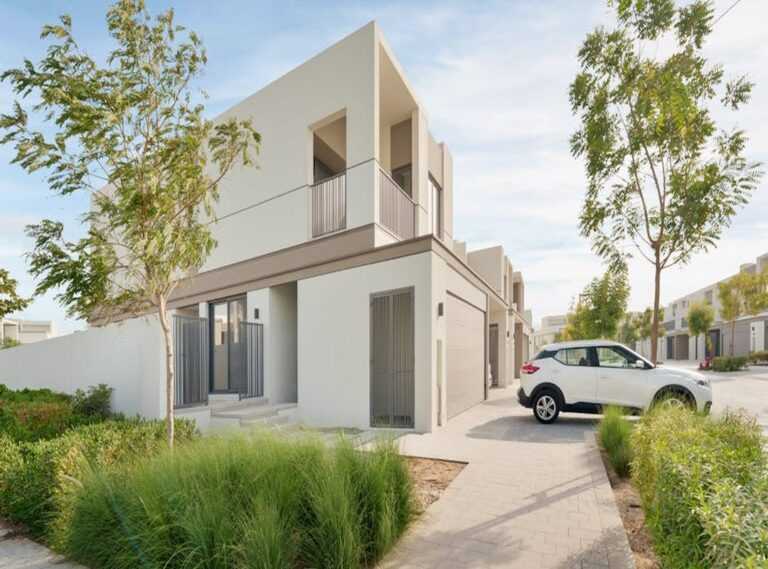
Minimalist architecture continues to influence high end villa design but it’s no longer just about sleek lines and open plans. The core materials of minimalism steel, glass, and concrete are being upgraded to meet modern performance demands while preserving their aesthetic appeal.
Rethinking the Classics
The traditional trio once defined by form is now defined by function and sustainability:
Steel is being reimagined in ultra thin yet high strength formats. This allows architects to create expansive, column free interiors with minimal structural interruption.
Glass has undergone major innovation, with new dynamic glazing technologies offering:
Adjustable tinting that responds to light and heat
Enhanced insulation that rivals traditional walls
Clarity and transparency that remain uncompromised
Concrete, though not detailed here, remains an adaptable base that’s integrated seamlessly with its sleeker partners.
Design Meets Performance
Forward focused architects are asking more from their materials. In today’s luxury villas:
Structural flexibility means more design freedom and custom layouts
Energy efficient materials are helping reduce HVAC dependence
Clean, uninterrupted views and indoor outdoor transitions are now easier to achieve
These redesigned materials aren’t just supporting the structure they’re shaping the experience of modern living. Expect to see them more prominently and more creatively in villa architecture throughout the decade.
Wood Engineered, Smart, and Sustainable
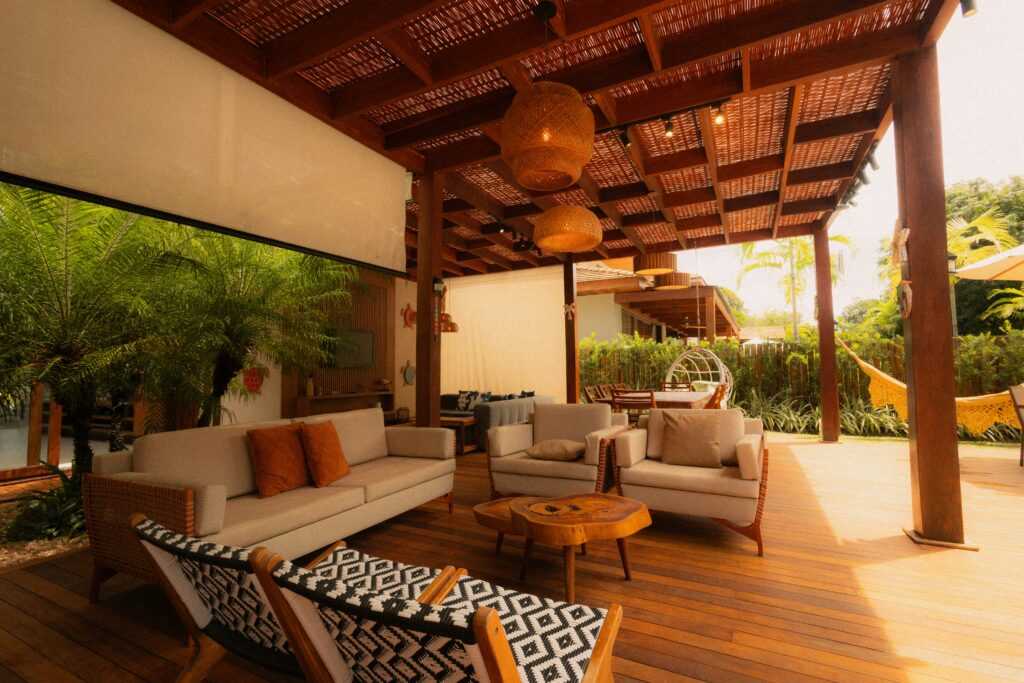
Wood is making a bold comeback in villa architecture not in its raw form, but through cutting edge engineering and science backed enhancements. The goal? Combining the warmth and beauty of natural materials with performance that stands up to modern demands.
Advanced Timber Technologies
Two of the most promising wood innovations are:
Cross Laminated Timber (CLT): Known for its strength and stability, CLT panels are becoming a popular choice for structural walls and floors in high end villas. They offer:
Excellent load bearing capabilities
Reduced environmental impact compared to traditional concrete or steel
Glulam (Glued Laminated Timber): Used widely in beams and support structures, glulam brings flexibility and durability to architectural spans, all while maintaining a natural aesthetic.
Next Level Performance
Engineered woods are moving beyond strength to offer smarter, safer solutions:
Moisture resistant treatments to prevent warping and decay
Fire retardant coatings that meet modern safety codes without altering the appearance
Enhanced thermal performance, helping villas stay energy efficient year round
Natural Touch for a Human Centered Design
Wood’s aesthetic value is also driving its comeback. With sustainability top of mind, architects are turning to wood for its:
Biophilic appeal: The visible grains, textures, and tones of engineered wood promote well being and invite nature indoors
Versatility in design: From raw timbers to refined paneling, new wood products blend style with eco conscious goals
Wood isn’t just a throwback; it’s an upgrade smarter materials, sustainable innovation, and sensory comfort all in one package.
Concrete Goes Green

Concrete is getting a much needed sustainability update. Architects and builders are moving beyond the old all purpose mix to smarter, cleaner options. Porous concrete and geopolymer blends now offer strength without the high carbon footprint, turning staples like foundations, pools, and perimeter walls into statements of environmental intent.
At the same time, production is getting faster and cleaner. Precast elements are reducing guesswork and on site waste. And with 3D printed concrete, what used to take weeks can be shaped in days with precision that’s tough to match by hand.
Aesthetically, this new concrete doesn’t have to look cold or industrial. Pigments, advanced formwork, and new texturing techniques allow creators to tailor finishes to match any villa style whether you’re going brutalist, coastal, or cutting edge futurist. It’s one of those rare cases where durability, speed, and style actually line up.
Adaptive Materials for Climate Responsive Design
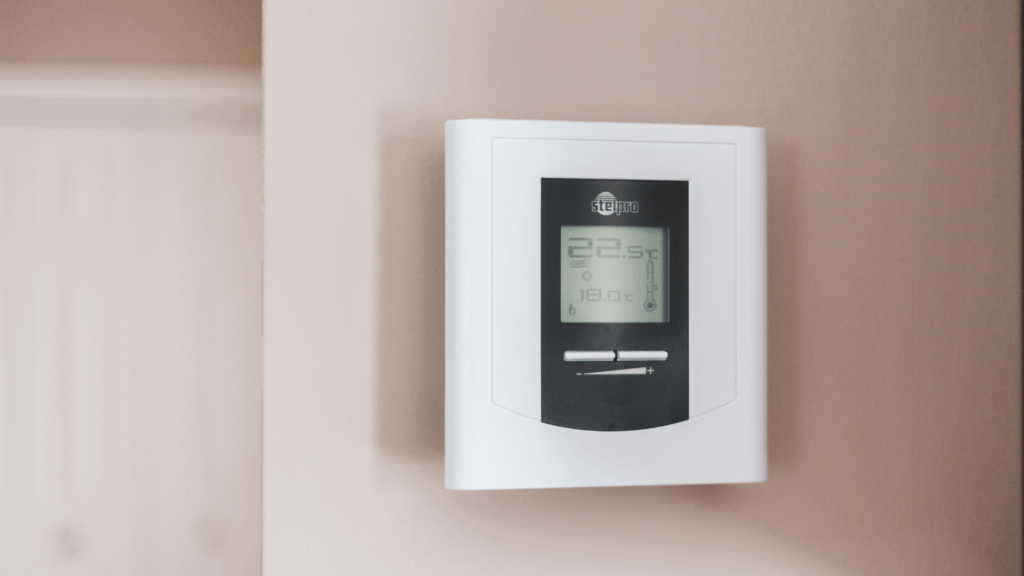
Villas aren’t just about aesthetics anymore they’re about adaptability. In regions facing heatwaves, cold snaps, or unpredictable shifts, materials need to perform beyond walls and roofing. That’s where phase change materials (PCMs) are stepping in. These compounds absorb and release heat as temperatures fluctuate, smoothing out indoor climate swings. They’re being built right into walls, ceilings, even flooring systems quietly managing thermal loads so you don’t have to crank the HVAC.
Breathable insulation is also on the rise, letting air and moisture pass at the right rates to prevent mold and keep structures healthy. It’s less stuffy, more efficient, and way more forgiving in varied climates.
Then there’s thermochromic tech surfaces that adjust reflectivity based on sunlight intensity. Think roofing tiles or facade panels that dim in blazing heat to bounce rays off, then ease back in cooler light. No switches, no wires. Just smart surfaces doing smart work.
Together, these materials don’t just make villas more sustainable they make them smarter. Less dependence on mechanical systems, more comfort, and no need to compromise on design. Sustainable living, finally without the beige.
Where Design Heads Next
Luxury villas are stepping into their next phase where traditional craftsmanship meets cutting edge material science. Stone, wood, and clay aren’t relics they’re getting paired with smart systems, modular construction, and climate adaptive surfaces. It’s no longer just about how a project looks; it’s how it performs over decades. The high end market is leaning into materials that can self regulate temperature, clean the air, or shift appearance with light all while grounded in familiar textures and forms.
We’re seeing more integration between raw, tactile finishes and sleek, high efficiency structures. Think reclaimed wood facades shielding thermally active walls or natural slate roofs layered over solar skin tech. The future of villa architecture is hybrid equal parts earth and engineering.
Want a full picture of where it’s all headed? Check out the complete rundown of emerging trends.