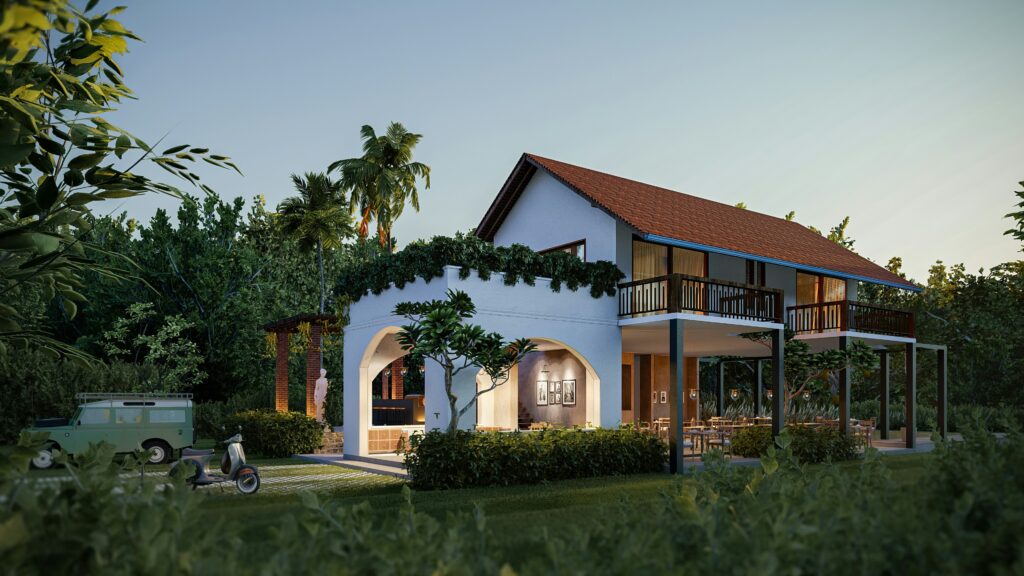
What Biophilic Design Really Means
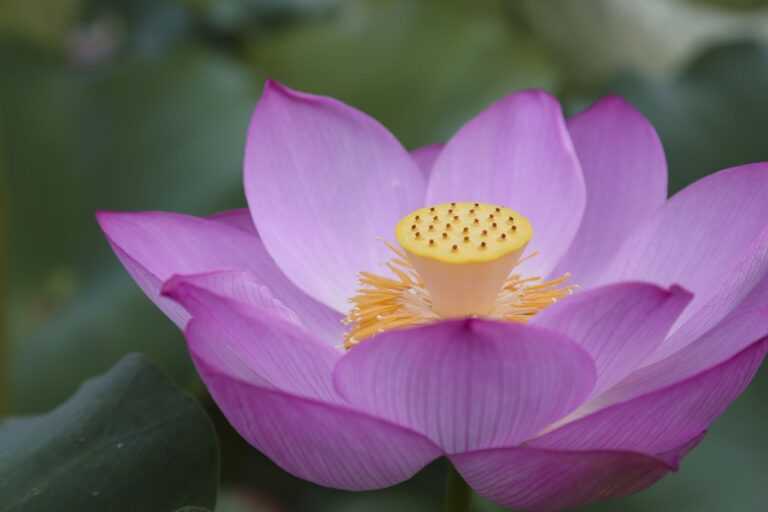
Biophilic design is more than a trend it’s a foundational philosophy rooted in our intrinsic connection to the natural world. This approach to interior design draws inspiration from nature to support both aesthetic harmony and human well being.
A Living Design Philosophy
Recognizes the human need to connect with nature within built environments
Encourages spaces that feel alive, restorative, and grounding
Emphasizes sensory experiences through light, texture, sound, and movement
Beyond Just Adding Plants
While greenery is an essential element, true biophilic design goes deeper:
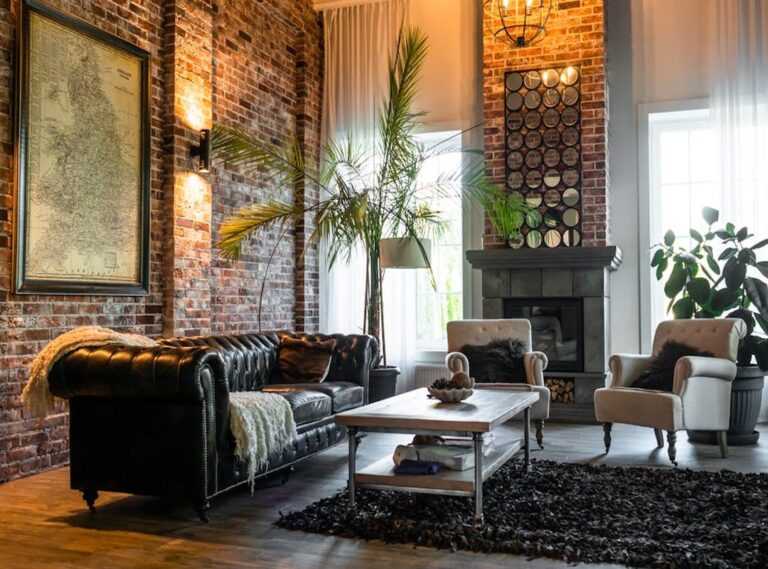
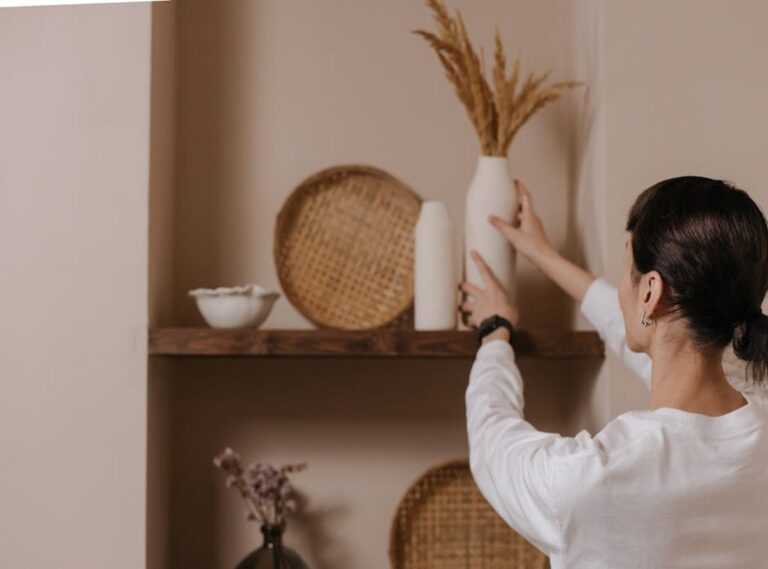
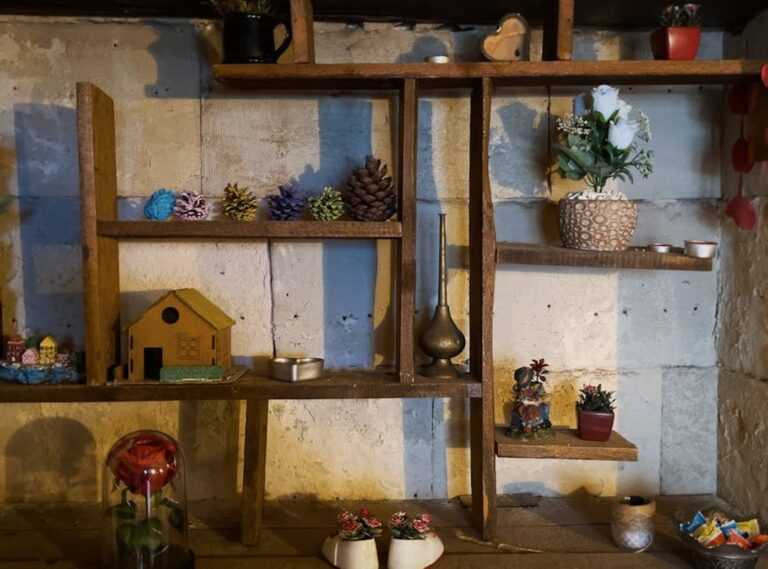
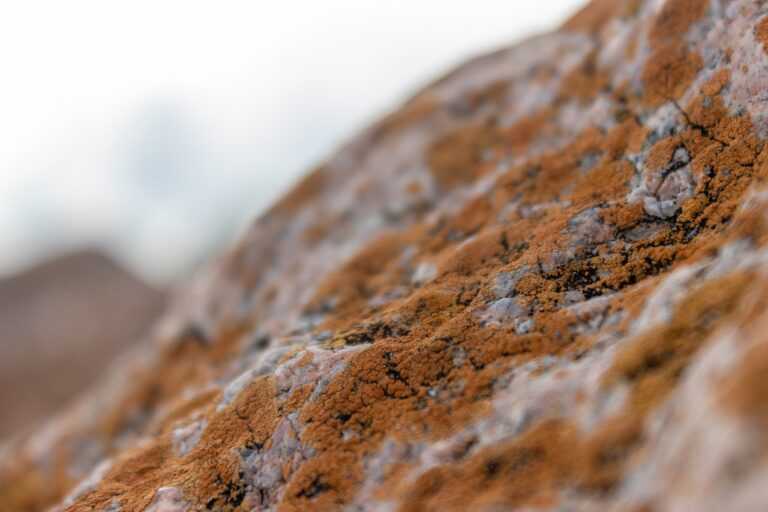
Natural textures and materials like wood, stone, and woven fibers bring organic warmth
Strategic use of natural light enlivens spaces and mirrors outdoor rhythms
Flow and layout reflect the ease and openness found in nature
Grounded in Wellness
Biophilic interiors are not just about beauty they improve quality of life:
Promote mental clarity and stress relief
Support better sleep and cognitive function
Enhance mood through connection with natural elements
Ultimately, the philosophy of biophilic design integrates form, function, and feeling creating homes that nourish the people who live in them.
Elements That Make a Biophilic Interior Work
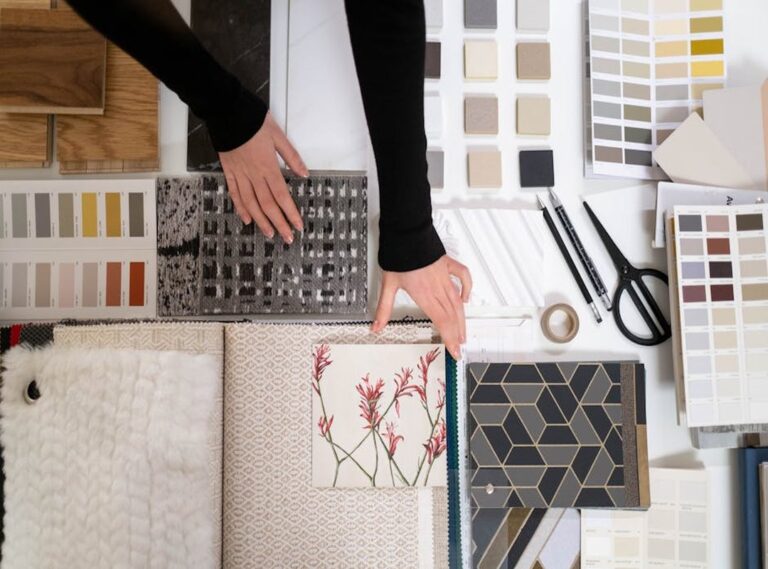
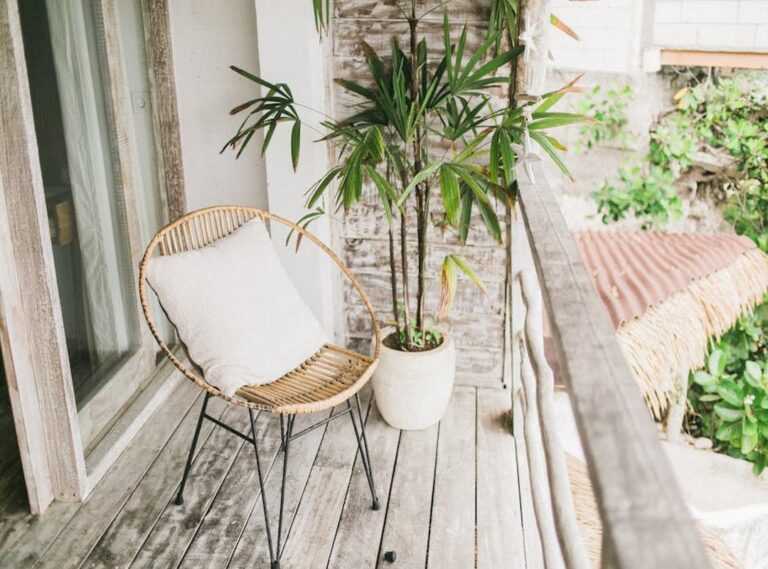
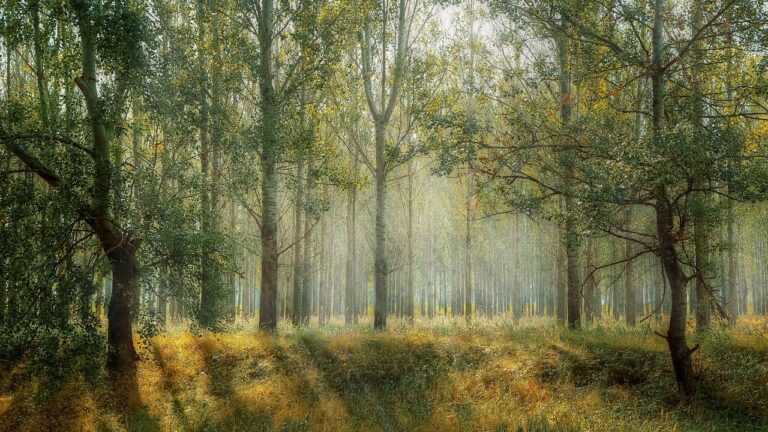
Biophilic design starts with materials that feel authentic. Think wood with texture, stone that’s slightly rough to the touch, and fabrics woven from natural fibers like jute, cotton, and wool. These elements bring tactile warmth to spaces, grounding rooms in comfort rather than gloss.
Patterns inspired by nature reinforce the connection. Leaf motifs, flowing shapes that mimic water or wind, and irregular, non symmetrical lines soften hard architectural edges. Nothing here is overly designed it’s about borrowing from the vocabulary of the wild.
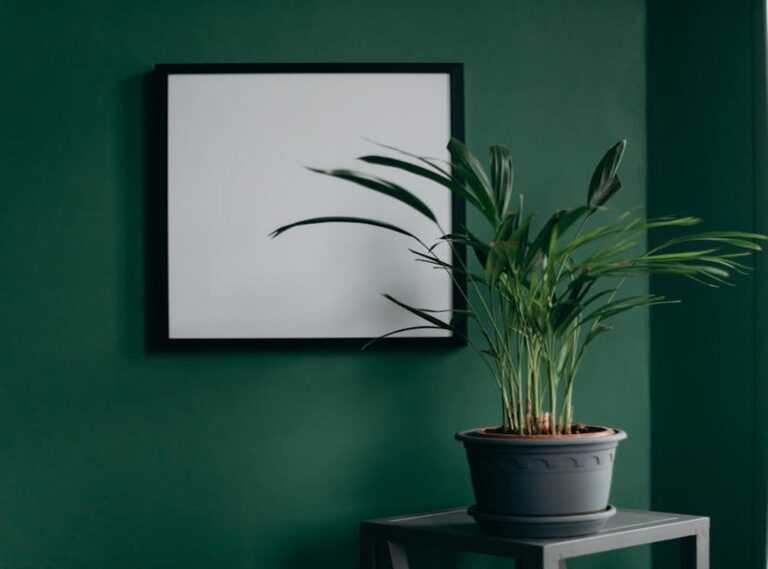
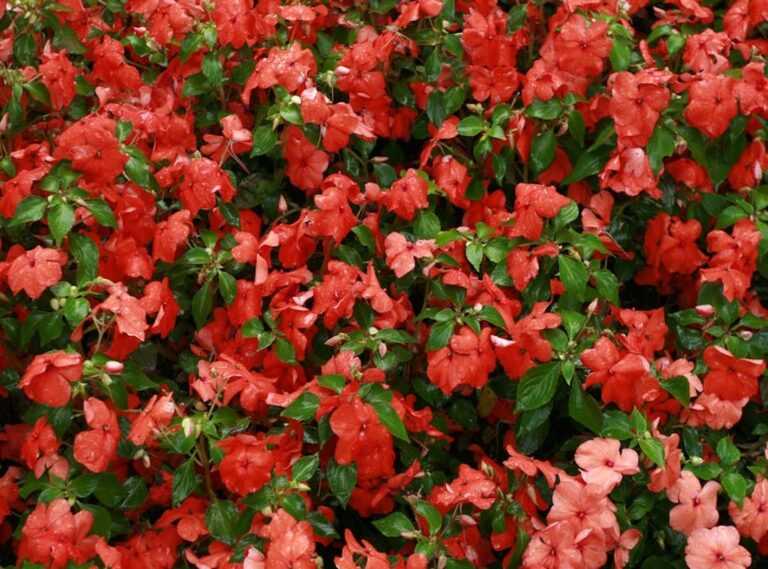
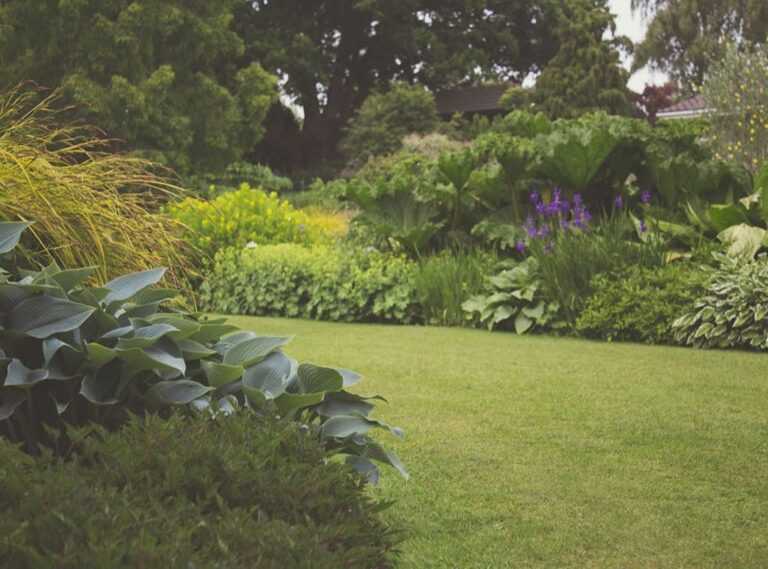
Plant life isn’t a decorative afterthought, either. Vertical gardens, indoor trees, and low maintenance greens like snake plants or pothos clean the air and pull the outdoors inside. The goal isn’t to turn your living room into a jungle it’s balance. Enough greenery to shift the mood without overwhelming the space.
And then there’s sound. Water features, whether it’s a discreet fountain or a narrow wall cascade, add ambient calm. Natural acoustics materials that absorb echo and create warmth do their part too. Together, they make rooms that not only look good but feel good to exist in.
Maximizing Natural Light
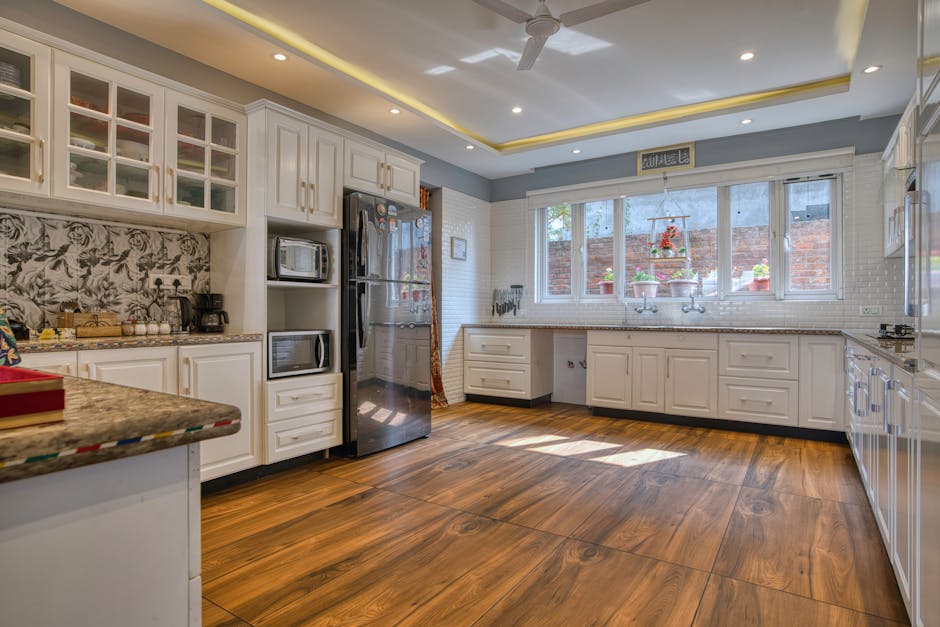
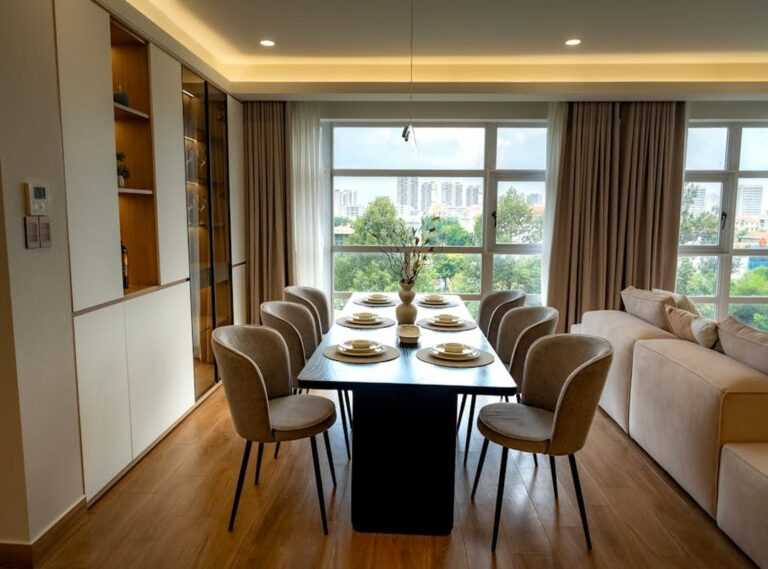
Natural light isn’t just about brightness it’s a pillar of biophilic design. It has a subtle but powerful impact on mood, focus, and sleep. Plus, it shrinks your energy bill. Smart interior planning puts daylight at the core of space, not as an afterthought.
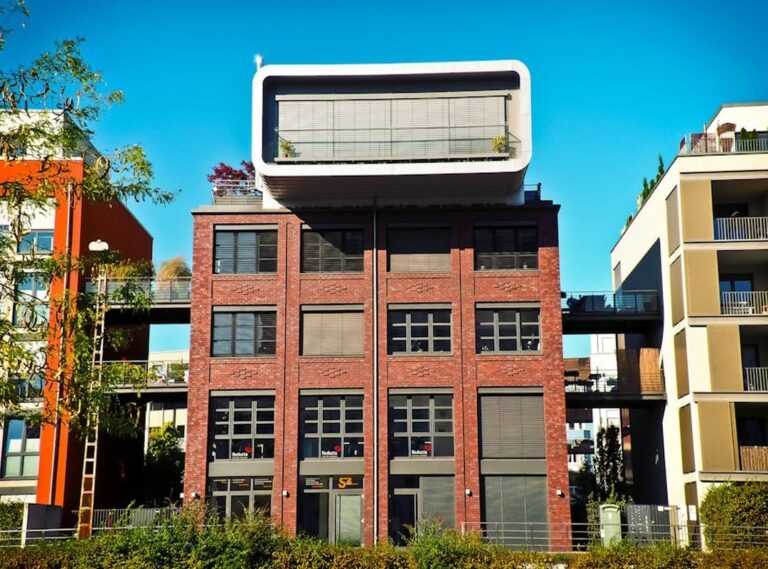
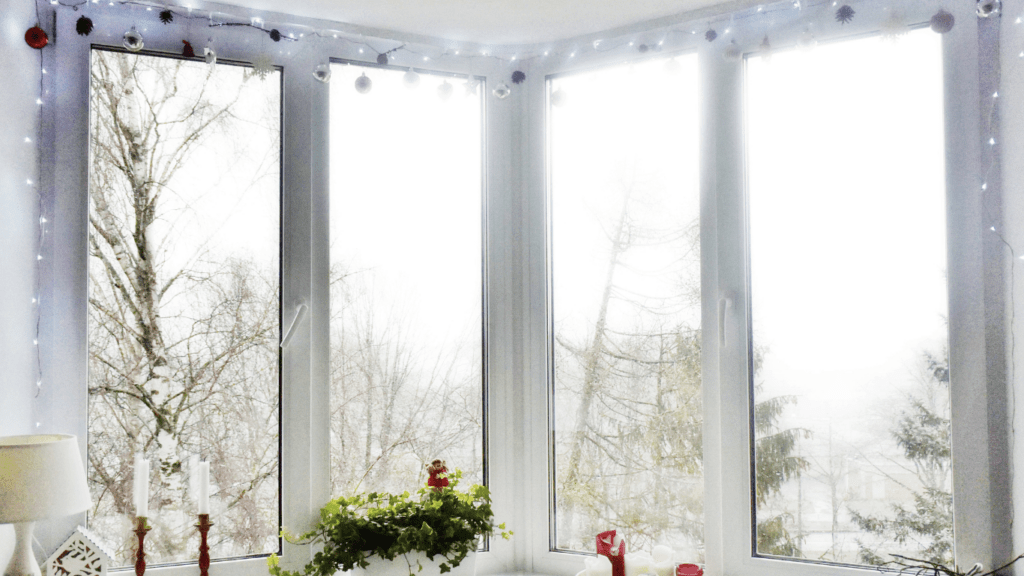
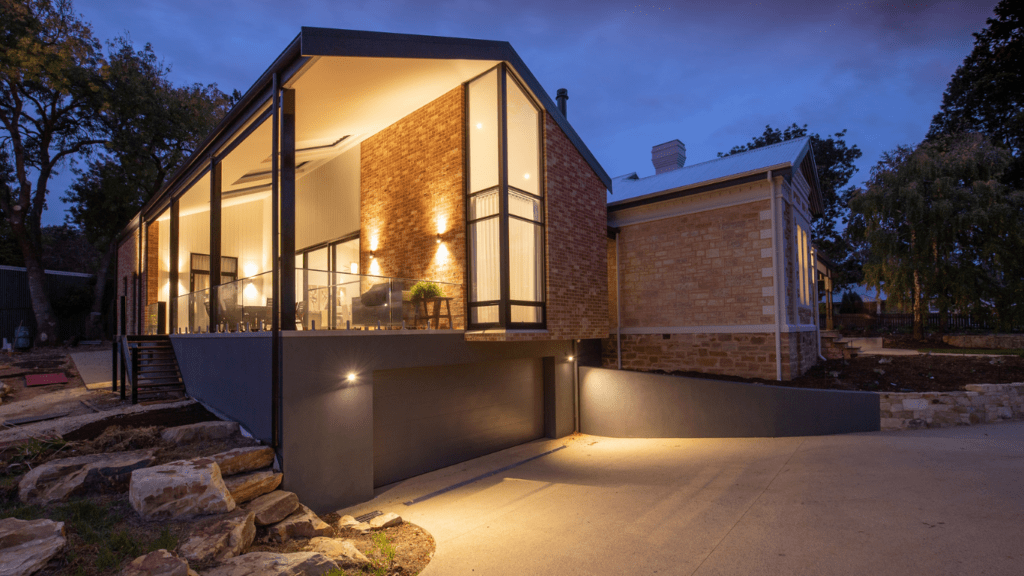
Architects and designers are leaning into this with intention. Think tall windows that pull in sky and landscape, skylights that bounce the sun deep into rooms, and wide, open layouts that let light travel freely. It’s about shaping a space that works with the sun not against it.
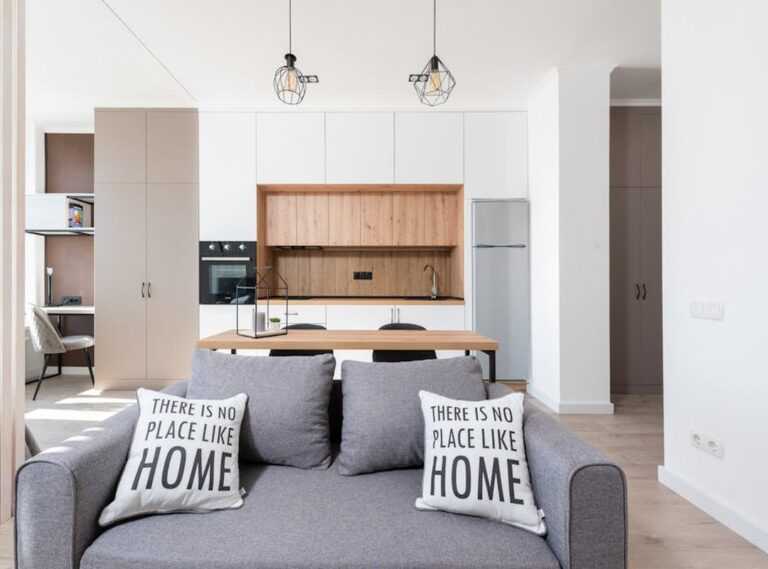
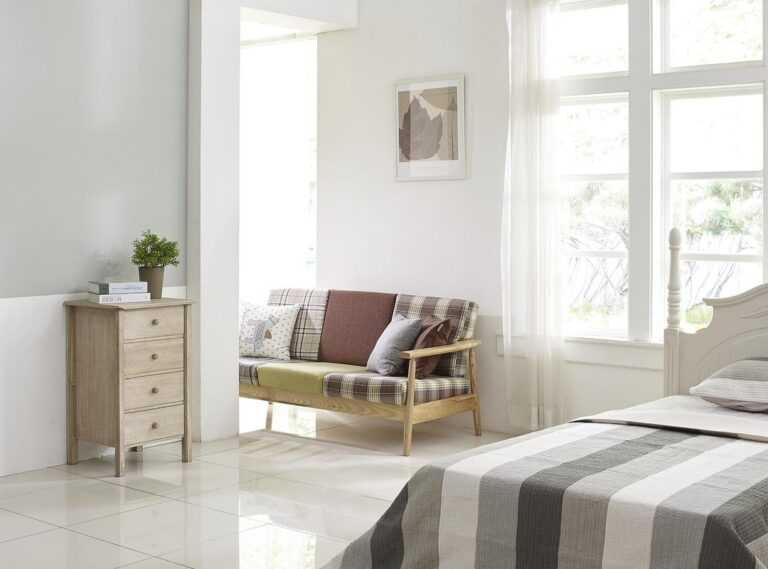
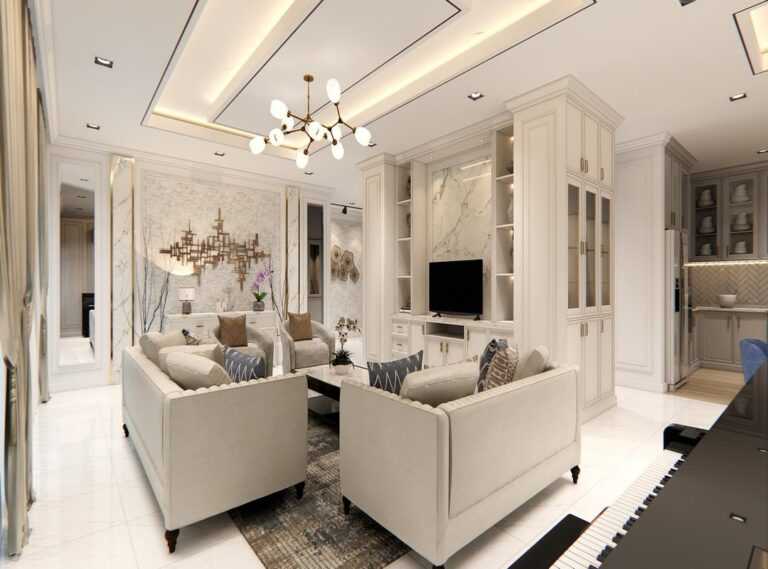
Simple upgrades can carry a lot of weight, too. Light diffusing curtains reduce glare without killing natural flow. Reflective surfaces like pale toned walls or stone take what you have and amplify it. No need for an overhaul; just smarter use of materials and light paths.
Explore how smart design choices boost natural light here: natural light interior.
Seamless Indoor Outdoor Living
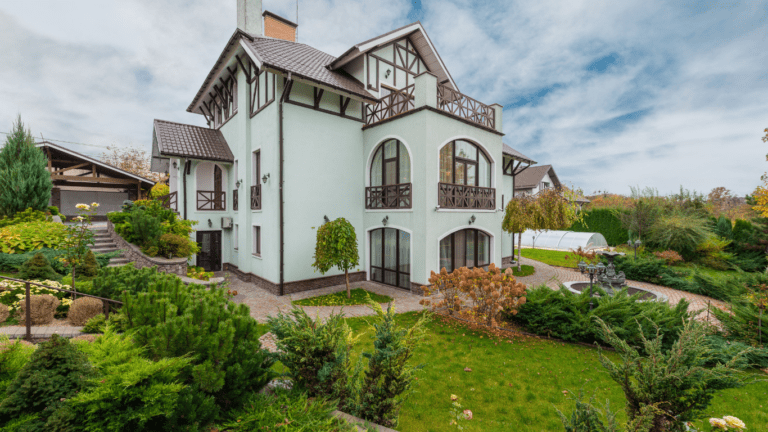
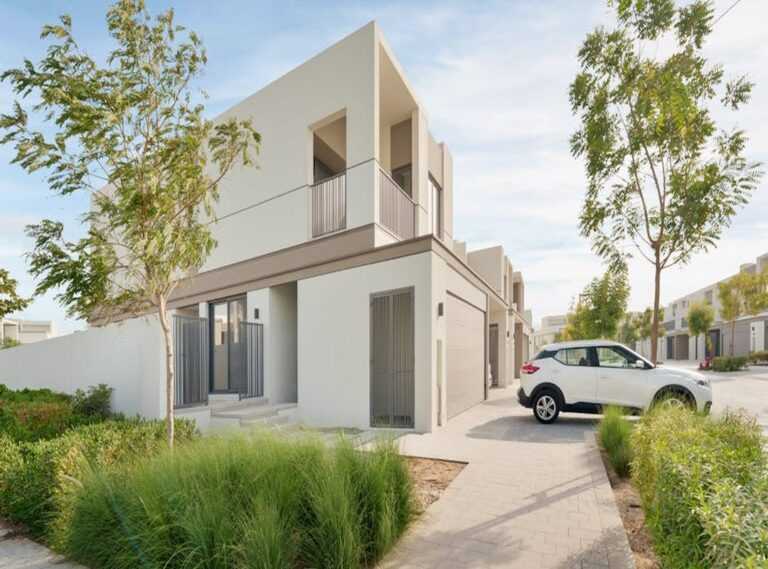
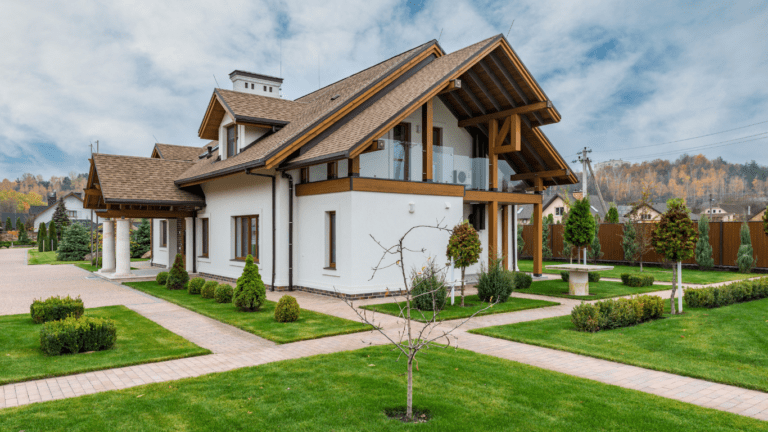
The walls are coming down literally. One of the strongest biophilic trends in villa design is erasing the hard lines between inside and outside. It’s not just about a big patio anymore. It’s full integration: retractable glass walls that disappear when the weather’s right, lounges that face directly into lush gardens, and courtyards that feel less like a backyard and more like an extension of your living room.
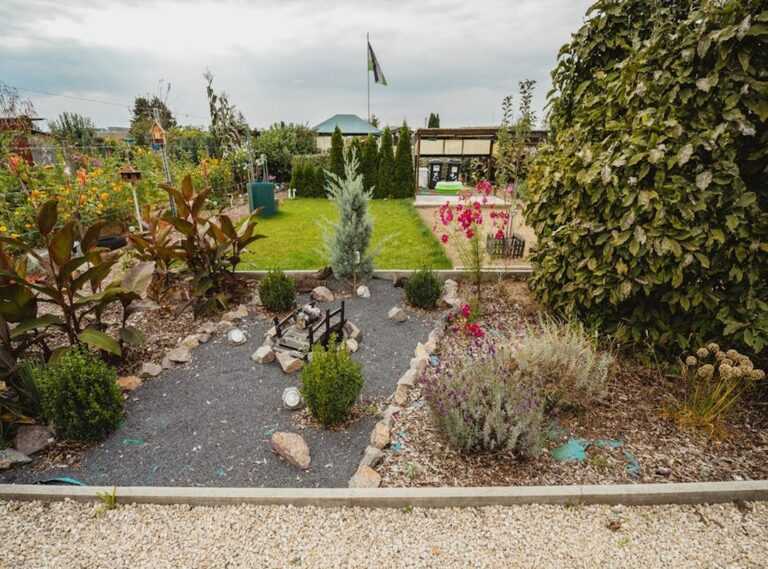
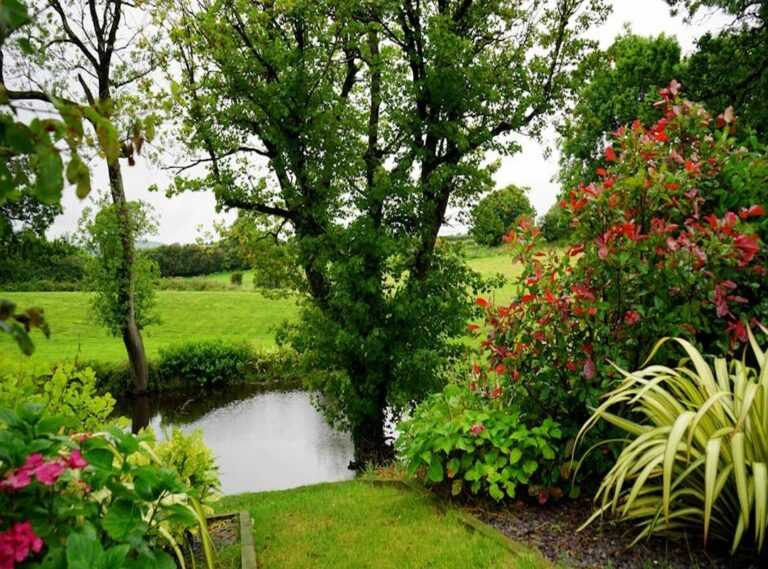
Designers are putting real thought into flow. Landscape design doesn’t stop at the door. Instead, it leads you in, guides the eye, and sets the tone. Flooring materials match or mirror outdoors to indoors. Natural stone that starts in the garden might continue into the kitchen. A tree planted twenty feet away becomes part of the indoor experience when viewed through frameless glass panels.
The idea is to make nature part of the architecture itself. It’s not a backdrop it’s a co star. And when done right, you don’t feel like you’re moving between two spaces. You’re just moving from shade to sun.
Why It Matters Beyond Aesthetics
Biophilic design isn’t just about looks it’s about how your space makes you feel and function. Integrating natural elements into luxury villa interiors can lead to measurable improvements in health, environmental sustainability, and long term value.
Real Health Benefits
Well executed biophilic interiors can positively impact overall well being. Immersing ourselves in nature inspired environments supports both mental and physical health.
Stress Reduction: Natural textures and views have been shown to lower cortisol levels.
Improved Sleep: Increased exposure to natural light helps regulate circadian rhythms.
Enhanced Cognitive Function: Time spent in nature, even indoors, improves focus, memory, and creativity.
A Sustainable Approach to Design
Going natural also means going green. Biophilic design emphasizes energy efficiency and responsible use of materials.
Lower Energy Demand: More daylight reduces reliance on artificial lighting and temperature regulation systems.
Longevity of Materials: Designers prioritize natural, durable materials such as stone, solid wood, and untreated fabrics.
Less Waste: Long lasting designs reduce the need for frequent renovations and replacements.
Long Term Value in Luxury Properties
Incorporating biophilic elements into a villa does more than elevate the aesthetic it also adds real estate value.
Increased Market Appeal: Health conscious buyers and sustainability minded investors find biophilic spaces highly desirable.
Future Proofing: As sustainable design becomes the standard, environmentally integrated homes stay ahead of market trends.
Enhanced Daily Living: Homeowners experience an environment that feels both luxurious and livable.
By embracing biophilic principles, you’re investing in a home that nurtures the body, respects the planet, and stands the test of time.
Bring It to Life in Your Own Villa
Biophilic design doesn’t mean a complete overhaul on day one. Start small. Add a handful of houseplants, lean into textures like woven jute, reclaimed wood, and stone. Swap sterile surfaces for materials that feel alive. Every natural element you introduce sets a tone of grounded calm.
Lighting matters big time. If you’re renovating or building, go in with the goal of maximizing natural light. Larger windows, open layouts, and light friendly finishes reshape how a space feels. The more daylight, the better for wellness, energy, and visual warmth.
And don’t try to wing it solo. Architects and designers who specialize in biophilic environments know how to bring the outside in while preserving modern flow. From window direction to material choice, their insight can elevate the space without overdoing it.
Need a spark of inspiration? Check out some standout lighting solutions here: natural light interior.