What Makes a Villa “Undervalued”
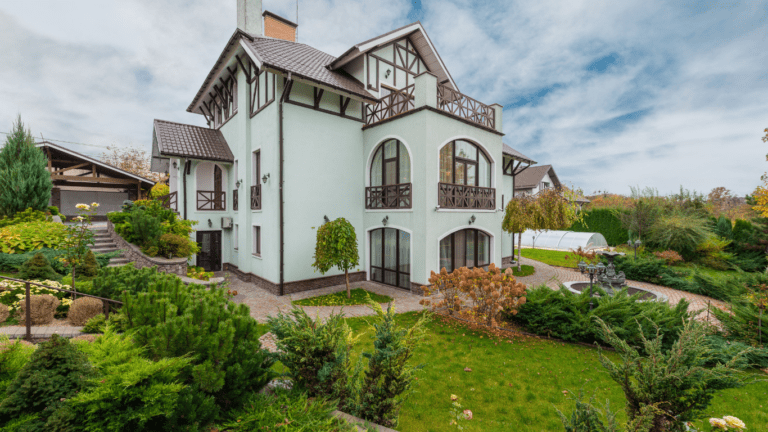
An undervalued villa isn’t just cheap it’s mispriced relative to what it could or should be worth. The key is finding properties where the market has overlooked potential or failed to price in certain advantages. Spotting these takes a trained eye and a bit of digging.
A few common clues: location mispricing (think up and coming areas not yet on the tourist radar), dated interiors that scare away design conscious buyers, or properties with minimal online visibility. Sometimes the villa is physically fine but has no quality photos or listing presence. In the age of digital first buyers, being invisible online is a fast track to being undervalued.
Also worth noting: market anomalies. These can show up as properties that sit on the market too long because of inaccurate pricing, or assets that don’t align with what agents in the area are pushing. Maybe it’s a smaller villa in an area full of oversized compounds or a rental ready unit in a zone that’s about to get a tourism overhaul.
Ultimately, the undervalued villa is one the market hasn’t fully understood. And for the savvy investor, that gap is where the opportunity lives.
Data Driven Ways to Spot High Potential Deals
Finding undervalued villas with strong investment potential requires more than gut instinct it demands thorough analysis. Leveraging data can help you identify strong opportunities before they hit the mainstream market.
Compare Price Per Square Meter Against Local Comps
One of the most telling metrics is price per square meter. Compare this figure to similar properties within the same region:
Analyze local sales data to determine the average price per square meter.
Look for discrepancies in comparable villas that offer similar size, amenities, and location.
Investigate the reason behind a lower than average price sometimes it’s cosmetic, not structural.
A villa priced well below the area average without serious issues may signal a hidden gem waiting to be uncovered.
Identify Growth Corridors Before They Boom
Timing is everything. The best opportunities often sit just outside established hotspots areas poised for upcoming expansion. Here’s how to locate them:
Review regional development plans for infrastructure upgrades like new roads or transit links.
Track migration patterns and new business licenses that point to population and employment growth.
Note developer activity where larger firms begin building is often where value will spike next.
Growth corridors are ideal zones for long term appreciation, but getting in early is key.
Cross Reference Macro and Micro Data
To validate an area’s potential, go beyond the property and study its context. Combine the following:
Tourism Statistics: Rising numbers of annual visitors typically signal higher short term rental potential.
Infrastructure Plans: Is there a new airport, highway, or port being developed nearby?
Local Zoning Changes: Check if residential zoning is expanding or if restrictions are loosening both can drive future demand.
Creating a multi layered picture helps you move from speculative investing to data backed decision making. Looking at these angles gives you a head start on finding high yield villas before they draw mainstream attention.
Red Flags vs. Green Lights
Some villas look like hidden gems, but a quick polish won’t fix deep cracks literally or legally. Start by watching for structural red flags. Foundation damage, chronic moisture problems, or serious roof issues can crush your ROI before you ever break even. If the property lacks clear title, building permits, or violates zoning laws, walk away. No deal is worth a legal quagmire.
On the flip side, cosmetic neglect is where smart investors win. Outdated paint, old furniture, or bad photos in listings often scare off emotion driven buyers. But these are surface fixes. If the bones are good solid structure, compliant paperwork you might have a sleeper investment. Target these, especially in emerging areas.
As for long term potential, think beyond looks. Is the villa close to expanding transport hubs, walkable to beaches, or tied into new travel routes? Is there year round demand (business travelers, digital nomads, winter sun tourists)? Amenities like multiple bedrooms, kitchen upgrades, or flexible layouts can also bump up both rental value and resale price over time. The magic happens when you can upgrade the surface and trust what’s underneath.
The Power of Local Intel

Algorithms and spreadsheets can only take you so far. What’s often missing in villa investment strategy is simple: human context. Being on the ground walking the streets, chatting with locals, observing the pace of development helps you separate real opportunity from inflated hearsay. It’s the difference between buying into a promising up and coming neighborhood and sinking cash into a ghost town with nice brochures.
Relationships make this work. Local agents, property managers, contractors, even bartenders they know what’s actually selling, where construction is picking up, and which areas are being quietly bought up by insiders. Building and maintaining these connections gives you a heads up before a deal hits the portals.
Then there’s the split between local demand and foreign investor hype. Just because outsiders are buzzing about a region doesn’t mean the rental market can support it or that the local economy can. The strongest investments usually serve both: they appeal to expats and tourists but also meet the needs of people already living and working in the area.
Boots on the ground insight isn’t just a nice bonus it’s the anchor. Without it, you’re investing blind.
Strategies for Maximizing ROI
Not all improvements are created equal. If you’re looking to juice value fast, aim for upgrades that tick both aesthetic and operational boxes. Pools make for high impact listing photos, and retrofitting kitchens with modern fixtures helps sway both buyers and renters. Energy efficiency think solar panels, smart thermostats, or proper insulation cuts long term costs, which serious investors notice.
On the short term rental side, design and branding matter more than ever. A villa needs a look, a name, and a reliable vibe. Neutral tones, warm lighting, flexible layouts they all invite repeat bookings. But visual polish is half the game. Smart management systems, automated check ins, and quality cleaning protocols lift reviews and occupancy rates without burning owner bandwidth.
Finally, consider your exit. Are you flipping in two years? Holding and refinancing? Leaving it as a family asset? Build your renovation and rental strategy around that exit. Fast ROI potential often depends less on what you buy and more on how and when you pivot.
For a breakdown of high return improvements and real world examples, check out this deep dive: high ROI investments.
Avoiding Common Rookie Mistakes
Investing in a villa especially in a gorgeous vacation destination can be exhilarating. But first time buyers often fall into avoidable traps that can hurt returns and stall long term goals. Below are the most common missteps to steer clear of.
Letting Emotion Drive the Purchase
It’s easy to fall in love with a property while sipping a cocktail on the terrace during sunset but buying with your heart instead of your head can lead to serious overpayment.
Always compare with at least 3 5 local comps
Focus on rental yield and appreciation potential, not just aesthetics
Work with a property advisor or buyer’s agent to keep negotiations grounded
Underestimating Hidden Costs
The listing price is just the beginning. Many buyers, especially those new to international real estate, overlook recurring and one time expenses that chip away at profits.
Common hidden costs include:
Local property taxes, often recalculated annually
Maintenance needs (pool upkeep, landscaping, pest control)
HOA or community fees
Insurance and emergency repairs
Build a financial buffer of 10 15% above your projected yearly budget to stay covered.
Misjudging Management Needs in Foreign Markets
Managing a villa abroad involves more than handing over the keys. If you’re not local, you’ll need a reliable team to handle day to day operations.
Vet local property management companies thoroughly
Understand local labor laws and service expectations
Budget for property management fees (often 15 25% of rental income)
Set up checks and balances with digital dashboards or regular reporting
Buying a villa overseas is doable even highly profitable but only with a clear eyed view of the logistics. Avoiding rookie mistakes early can protect your bottom line and ensure lasting success.
Final Checklist Before You Buy
Before wiring any money, run a full property audit. Legally, you’ll want to confirm the land title is clean, the zoning fits residential or rental use, and all permits are verifiable. Structurally, bring in an inspector cracks, damp, or outdated wiring can kill ROI fast. On the business front, does the layout support short or long term rental strategy? Is it near demand drivers like beaches, airports, or event venues? If it doesn’t work commercially, it doesn’t work no matter how pretty it looks.
Next up: the numbers. Build your ROI projection using conservative assumptions. Low season rental rates. Average occupancy. Realistic maintenance and tax costs. Run worst case and mid case models not dream scenarios. If it still pencils out, you’re in the zone.
Finally, double check that the projected yield actually lines up with what you want. Are you looking for fast cash flow or long term equity? Some properties do both, but many lean one way. Make sure this investment plays the role your portfolio needs it to.
Need deeper context? Explore this full guide to high ROI investments.